
Tradition, Premiumity, Harmony
In Uzbekistan, tea is more than just a drink; it’s the soul of hospitality, a ritual of social interaction, and a symbol of national culture. Here, where the cult of tea surpasses even the love of coffee, every day begins and ends with a cup of aromatic, brewed tea. Julius Meinl, an Austrian brand with over 160 years of history, fits perfectly into this tradition, offering premium teas that combine European craftsmanship with an Eastern respect for tea drinking. This article will explore the unique properties and qualities of Julius Meinl tea, adapted for the Uzbek market, where tea is an art of living.
The Rich History and Uzbek Roots of Tea
Uzbekistan’s tea culture traces its roots back to the Silk Road, when caravans brought the first leaves from China and India. Today, green, black, and herbal teas are brewed in samovars in Tashkent, Samarkand, and Bukhara while discussing business over a festive dastarkhan. Julius Meinl honors this tradition: founded in 1862 in Vienna by Julius Meinl, the brand began as a coffee supplier to the Viennese court, but soon expanded its offering to include elite teas from the world’s finest plantations.

In Uzbekistan, Julius Meinl presents collections inspired by local preferences: strong black tea for everyday drinking and sophisticated blends for special occasions. Our teas are hand-picked on environmentally friendly plantations in Ceylon, Assam, and Darjeeling, where the altitude (up to 2,000 meters) ensures a rich flavor. This is not a mass-produced product—every leaf undergoes strict quality control, making Julius Meinl the choice for connoisseurs who appreciate the Uzbek tea culture.

Types of Julius Meinl Tea: Properties and Benefits
Julius Meinl offers a variety suitable for the Uzbek table. Let’s look at the key varieties:
— Black tea (Assam and Ceylon Broken Leaf): Strong, with a rich ruby infusion and notes of caramel, honey, and dried fruit. Ideal for traditional Uzbek teapot brewing. Rich in tannins and antioxidants, it maintains energy and improves digestion, which is important in Uzbekistan’s hot climate.
— Green tea (Sencha and Gunpowder): Fresh, with herbal and floral notes, the twisted “gunpowder” leaves open like a flower. Low caffeine content makes it suitable for evening tea with flatbreads and fruit. Properties: high catechin content for immunity and detoxification – ideal for the active Uzbek lifestyle.
— Fruit and herbal blends (Maracuja, Melissa Dream): Exotic blends with passion fruit, lemon balm, and berries. Caffeine-free, they refresh in hot weather and complement pilaf or shashlik. Uniquely, natural flavors guarantee a pure taste.
All Julius Meinl teas are premium whole-leaf or granulated, with no additives. Foil-sealed packaging maintains freshness for up to 18 months.

Premium Quality: What Makes Julius Meinl Special
Julius Meinl is synonymous with luxury. Every stage of production complies with ISO 22000 and Rainforest Alliance standards:
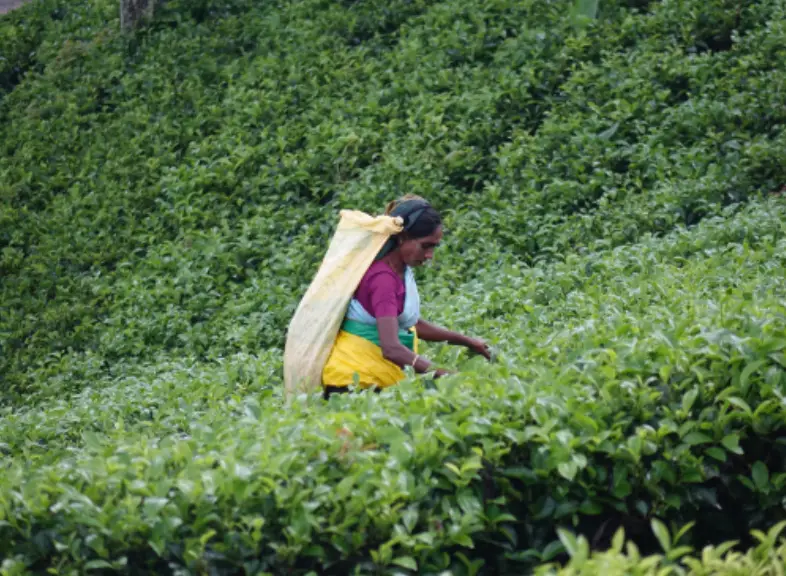
— Harvesting and Drying: Leaves are picked by women on family farms and air-dried to preserve the essential oils. The result is a uniform flavor without bitterness.
— Aroma and Taste: The “Orthodox” technology preserves 95% of the essential oils. In Uzbek conditions, the tea is steeped for 3-5 minutes at 95°C, producing an infusion ranging from light golden to dark red.
— Beneficial Properties: Antioxidants (polyphenols) combat free radicals, and theine provides a gentle invigorating effect. Studies show a 10% reduction in cholesterol with regular consumption.
This quality is prized in Uzbekistan’s HoReCa industry, from teahouses to hotels.

Julius Meinl Tea in Uzbek Culture
In a country where tea is drunk 5-7 times a day, Julius Meinl bridges the gap between tradition and modernity. In the morning, a strong Assam Harmutti for energy before work, in the afternoon, a green tea with nuts at a teahouse, and in the evening, a herbal tea for relaxing with family. The brand participates in local festivals, such as Navruz, offering tastings.
For businesses: supplies to cafes and restaurants in Tashkent and other cities, where tea margins exceed 300%. In HoReCa Uzbekistan, tea accounts for 70% of beverage sales, and Julius Meinl enhances the establishment’s prestige.
Tashkent-style recipe: 5g of tea per 500ml of water, steep for 4 minutes, add sugar and lemon. Ideal with navat or halva. Traditional tea drinking is always accompanied by dried fruits and nuts.
Why choose Julius Meinl tea in Uzbekistan?
Julius Meinl isn’t just tea, it’s an investment in culture. Available in Tashkent through partners, online, and in HoReCa stores. Prices start at 100,000 soums per 100g. Contact us for wholesale orders and receive professional advice on how to sell tea in your business.
Tea is the heart of Uzbekistan, and Julius Meinl enriches it. Order now and taste the difference!