What You Need to Know
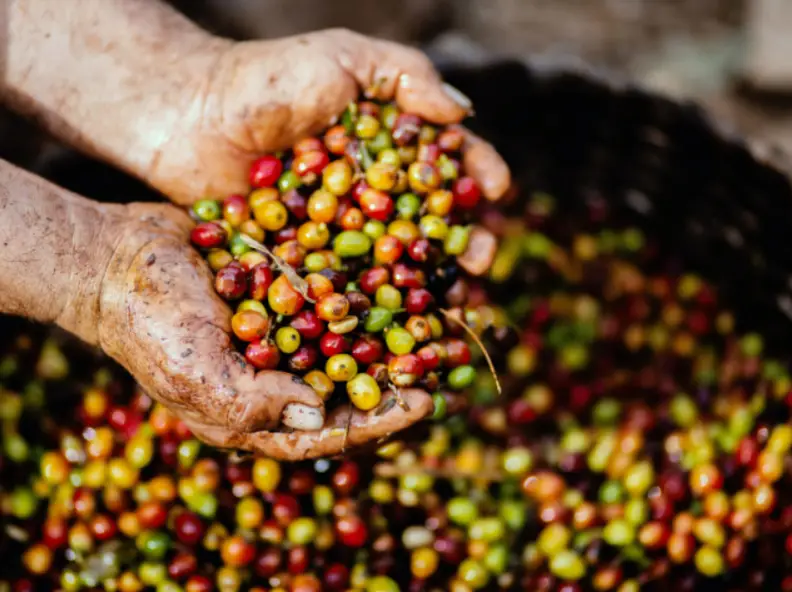
It’s the care and dedication we show at every step of the way, from the leaf or bean on the farm or plantation to the cup in your hand.
The Art of Coffee Production.
At Julius Meinl, every stage of coffee production is important. From close relationships with coffee farmers to roasting techniques. Discover this journey and find tips on how to make the perfect espresso and other coffee drinks.
Coffee Expertise from Bean to Cup.
Premium coffee begins with the tropical sun and volcanic soil in coffee-growing regions between 23°N and 25°S of the equator. After harvesting, the coffee is processed, sorted, and then transported for blending, roasting, and packaging. This process involves many delicate steps that require experience, craftsmanship, and quality control.
Coffee Purchasing.
Julius Meinl sources green coffee primarily in the country of origin, directly from farmers and cooperatives with whom we have long-standing partnerships.
We also source coffee from international trading companies in Europe, America, and Japan. Our teams have maintained relationships with many of them for decades, building on mutual trust and fairness.
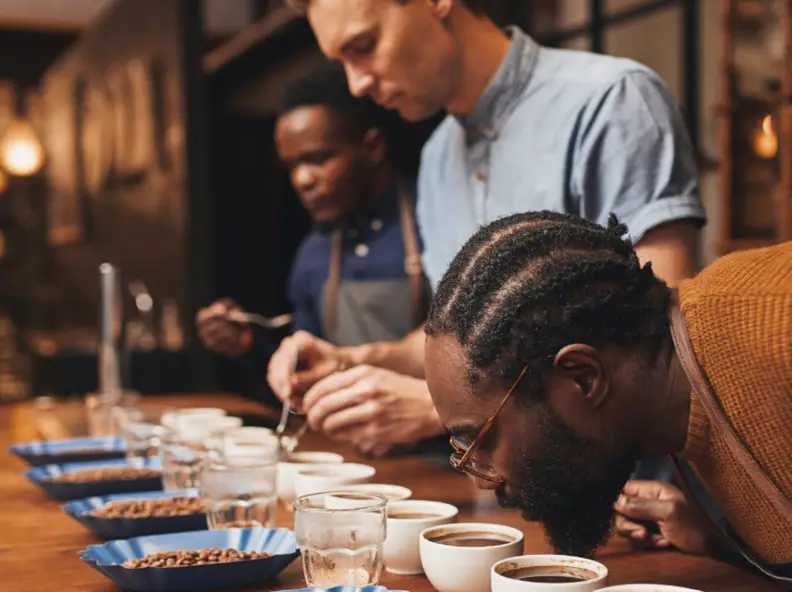
At Julius Meinl, we place special emphasis on ensuring the quality of our coffee. We have implemented quality control systems at every stage of the production chain to ensure consistently high quality. Our green coffee undergoes strict quality control upon delivery to the roasting plant. After the coffee beans pass the initial inspection, they are roasted and subject to further quality control. Each individual bean is inspected electronically, and each roasted batch is inspected directly by our quality control and tasting committee using modern technology.
Creating new blends requires experience, creativity, and skill. This is also necessary for reproducing existing coffee blends, as popular and beloved flavors must be reproduced time and time again—despite changing harvests and weather conditions.
Roasting is an art mixed with science. It is a skill that requires years of experience to master.
Julius Meinl I founded Europe’s first roasting factory over 160 years ago, using a microroasting machine. His knowledge and passion have been passed down through generations in the Meinl family.
Our headquarters in Vienna, on Julius Meinl Street, houses a roastery specializing in Viennese roasting since 1912. Our coffee studio develops premium blends, specialty blends, and numerous single-origin coffees, as well as specialty coffees.
In 2005, we added a modern roastery in Vicenza, Italy, to meet the coffee needs of our business clients and coffee lovers worldwide.
The roasting process in both Vienna and Vicenza is computerized using the latest technology. A master roaster oversees every step to ensure the highest quality of our roasts.
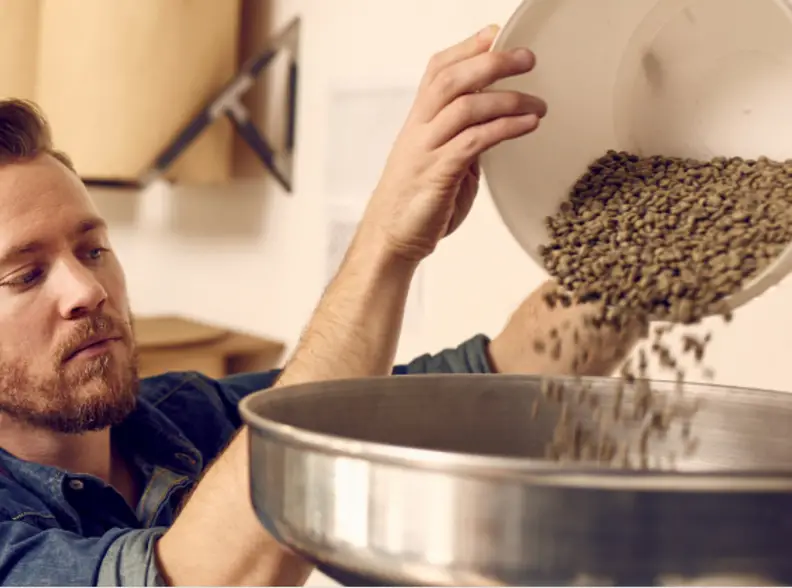
Light Roast
Produces a richer aroma, more pronounced flavor, higher acidity and sweetness, but less body. Excellent for filter coffee.
Medium Roast
Reveals more of the aromas produced during the roasting process. The beans become more caramelized, acquire a more yellow or brownish sweetness, become less acidic, and are more balanced, with a soft yet pleasant bitterness. This roast is suitable for typical Viennese coffee recipes based on espresso and filter coffee.
Dark Roast
Produces a bitter, highly caramelized, and more intense flavor, with a dense body and low acidity. Suitable for espresso recipes.
Roasted coffee, whether whole beans or ground, is a very sensitive product. To protect our precious coffee from oxygen, odors, humidity, heat, and light, Julius Meinl meticulously packages it. Our coffee is vacuum-packed or hermetically sealed in bags with a one-way valve to prevent air (O2) from entering the coffee and allow roasting gases (CO2) to escape before the packaging begins to leak. This ensures the coffee maintains its quality throughout its journey to you.
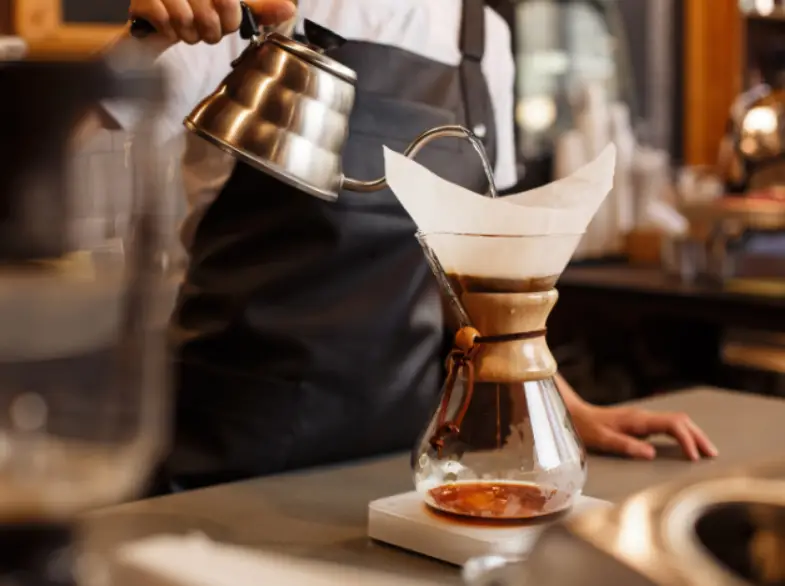
Coffee Preparation
Achieving the optimal flavor from your beans requires not only a perfect roast, but also the precise grind size, water temperature and quality, and brewing method.
While our green coffee procurement, quality control, and production specialists ensure the highest standards, the rest is up to you! For the perfect taste, consider the final preparation and brewing method. For the most delicious results, let our coffee consultants inspire you.
At Julius Meinl, we live and breathe coffee. With over 160 years of experience, we’re happy to share this knowledge with you.
You and your team can take training courses in coffee preparation, grinder adjustments, milk frothing, latte art, and creating specialty coffees. Contact us and immerse yourself in our expertise.
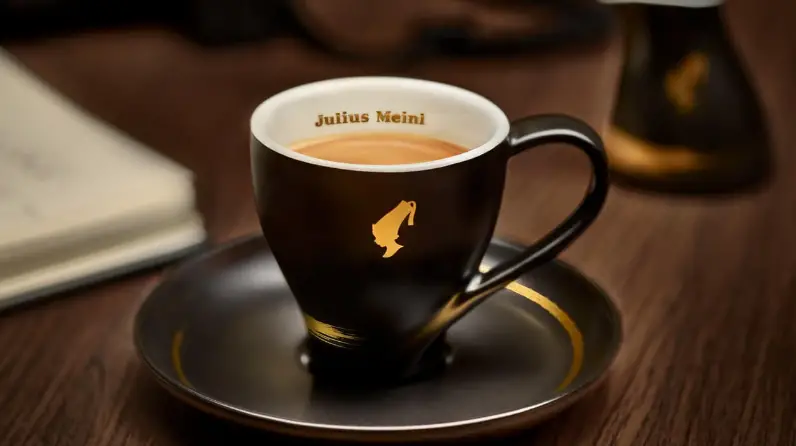
Perfect Espresso
To brew the perfect espresso, you need to maximize the coffee beans’ potential. Consider the following parameters:
— Water temperature: 89-93°C
— Water quality (3-6° dH total hardness and 2-4° dH carbonate hardness)
— Amount of ground coffee (7-10 grams per serving, according to SCA recommendations)
— Espresso shot size (25-35 ml, including crema, per espresso shot)
— Extraction time (ideally 20-30 seconds)
— Tamper weight (approximately 15-20 kg, depending on grind size and amount of ground coffee)