
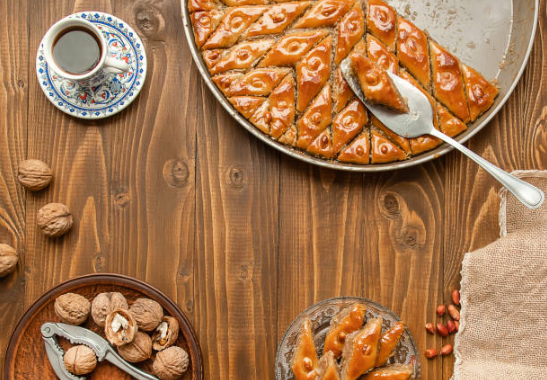
The holiday of Navruz (translated from Persian as “New Day”) is an ancient spring festival celebrating the renewal of nature, a symbol of rebirth, peace, and goodness. It has its roots in the Zoroastrian tradition and is celebrated on the day of the vernal equinox. Navruz is celebrated with particular solemnity in Uzbekistan: on March 21, city streets come alive, Uzbek dances and songs are heard, and families gather around a generously laid dastarkhan (festive table). As the Uzbek proverb suggests, ” Navruz” Muborak brings with it a revival of life and friendly gatherings.
On the holiday of Navruz, Uzbek girls perform a traditional dance – the holiday symbolizes the arrival of spring, renewal, and new beginnings.
Navruz’s connection to food reflects deep symbolism: the table is adorned with dishes made from sprouted wheat, greens, and sweets—everything that symbolizes the harvest, prosperity, and new life. Pilaf, samsa with greens ( kuk-samsa ), manti ( kuk -manti), chuchvara ( kuk-chuchvara ), green dyed eggs, almonds, nuts, and sweets are essential attributes of the dastarkhan. Sumalak , a sweet porridge made from sprouted wheat,remains a key decoration of the festive table. Its rich, malty flavor with caramel notes symbolizes the strength of the earth and fertility; the tradition of cooking sumalak in a large cauldron over an open fire is passed down from generation to generation.
Sumalak is prepared by the entire family and neighbors: women gather at night around a large cauldron and take turns stirring the porridge until morning, adding small stones to the cauldron to help it grind better and prevent burning. It is believed that the lucky person who finds the “magic” stone will find good luck for the entire year. The finished sumalak is generously shared with friends, neighbors, and passersby, symbolizing generosity and brotherly love. According to legend, anyone who tastes sumalak from seven cauldrons at once will find joy and prosperity in the new year.
Making sumalak is an ancient ritual of Navruz. The porridge is simmered in a slowly stirred pot over a wood fire until it turns a dark brown, caramel color.
Other Navruz dishes are no less significant. Plov(with rice and lamb) on the Uzbek table symbolizes abundance and family unity; it is traditionally served with green tea ( kuk-choy ), which is considered the “essential” drink for plov. Kuk-samsa(samsa with greens) and kuk -mantisymbolize freshness and growth (the green inside). Bright green painted eggs are a sign of spring and youth. Nuts, almonds, dried fruits, and sweetson the dastarkhan speak of prosperity and a sweet life in the coming year. And flatbread ( narynnon ), the main bread, symbolizes hospitality and respect for food. Uzbek tradition strictly prescribes respect for bread: it is never thrown away or placed upside down.
All these dishes are served in a special way. The Uzbek dastarkhan is open to guests and relatives: it is customary for everyone to gather around it, and the dishes are laid out by agreement to ensure there is enough for everyone. During the Navruz holiday, guests can come any day of the thirteen-day festival, and the hosts are happy to treat them. Particular emphasis is placed on sharing food: treating friends, even random passersby, is a sign of goodwill and a guarantee of prosperity. Thanks to such generosity, there is a belief that gifts and donations made during these days will be returned threefold to the giver.
Tea and coffee at Navruz
Drinks occupy an important place on the dastarkhan. Teain Uzbekistan is not just a companion to food, but the foundation of social interaction and the tea ceremony. Traditionally, tea is drunk with every dish on Navruz: it aids digestion and refreshes the palate. Uzbek tea is served in pialas (small, deep cups); it is often brewed with a sprig of mint, thyme, or rose petals to create a subtle aroma. A special ritual, ” kaitar ,” involves pouring the tea from the teapot to the bowl and back three times, symbolizing respect for the guest. Green tea ( kuk-choy ) is usually the main course, especially when paired with pilaf. It is also customary to drink red (black) tea after meals; it pairs well with desserts, such as sweet chak-chak or halva.
Coffeeis a less traditional drink in Navruz traditions, but in today’s reality it is increasingly appearing on holiday tables. Julius Meinl ( Julius Meinl , a recognized ambassador of Viennese coffee culture, offers new coffee flavors to enhance Nowruz. The caramel notes of sumalak harmonize seamlessly with the dark roasts of Julius coffee. Meinl (for example, blend Espresso Classico or Vienna Espresso Special ). Classic coffee “President” ( Julius Meinl President , with its rich chocolate aroma, is a perfect finish to a meal after pilaf or sweets. Guests are offered espresso, rafs (such as raf with syrup), and cold coffee cocktails with citrus ( cold brew with orange). There are also new coffee creations, such as spicy masala latte ( Namaste Chai Lattes or signature flavored blends create a festive atmosphere. Thus, tea remains the dominant traditional drink, while coffee adds a modern touch to the festive table and inspires new combinations.
Etiquette and customs of hospitality
The holiday of Navruz is intertwined with sincere folk traditions of respect and generosity. It’s customary to sit at the dastarkhan on one’s word of honor: guests do not reject the offered food and thank the host. From childhood, Uzbeks are taught not to rush to leave the table and to share the last piece with someone who is still hungry. As the saying goes: “Bow briefly before the bread—it is sacred.”
Breadis considered sacred in Uzbekistan. It is never thrown away or left upside down. People place flatbread ( narynnon ) under the pillow of a newlywed to protect it from illness. During Navruz, there is even a ritual of “breaking bread,” symbolizing reconciliation and harmony—especially before a wedding or a peace treaty. Guests typically take the bread and place it with the “rumen” (backside up), expressing deep respect. The tradition of generous sharingis also widespread : neighbors and acquaintances are given bread, candy, and fruit even during the holiday—partly in the hope that kindness and hospitality will return to the home with goodness and prosperity.
the dastarkhanis more than just a table; it’s a symbol of the home. For Navruz, the home is cleaned and decorated: the table is always kept clean, and dishes are placed face up—respecting everything that’s served. On this holiday, superiors and children always treat their elders first, and after the meal, a “common piece” is shared: everyone shares a piece of meat or dessert prepared with flatbread, strengthening the spirit of unity. Throughout the country, brides and newlyweds also perform a special “breaking of bread” ceremony to seal their promise to live together—no one dares break the long-held vow made over bread.
Thus, the Nowruz festive table combines taste and tradition: natural products (sprouted wheat, nuts, honey, and dried fruits) symbolize rebirth and abundance, while the heartfelt table setting and drinks symbolize friendship and hospitality. As the saying goes, a cup of aromatic coffee or tea, served with soul, can speak of a love of life and faith in a bright future. We wish every reader of Nowruz Muborak ! ” – may this holiday bring happiness to people, warm their hearts with the warmth of the family hearth and inspire them to do good deeds.
| Dish | Symbolism | Recommended drink (tea/coffee) | Submission / Advice |
| Sumalak | New growth, the life force of the earth | Tea (green or herbal) | Cook with the whole family in a large cauldron overnight; |
| Pilaf | Abundance, family unity | Kuk- choy (green tea), followed by strong tea | Traditionally served for lunch, with greens and salad; tea helps digestion |
| Kuk -samsa , kuk -manty, kuk-chuchvara | Spring, freshness and prosperity | Red tea (black), possibly with mint | Samsa and manti with fresh herbs; served with sour cream or sauce; tea will refresh and warm you up. |
| Halva, sweets, fruits | Sweet life, harvest | Black tea | Served after the main course with aromatic tea; Uzbek sweets and chak-chak are also suitable. |
| Flatbread ( narynnon ) | Hospitality, respect for bread | All drinks | Bread is always “face up”; it is considered a sin to throw or discard it; share the bread together |
| Nuts and dried fruits | Wealth, health | Tea (green or herbal) | They complement both sweet and salty dishes; they are healthy and nutritious. |
Thematerial was prepared based on Uzbek sources of culture and the preparation of festive dishes by specialists from the Julius company. Meinl . Happy Navruz and bright spring!