In the world of hospitality, every detail counts. This is especially true for tea-a drink that can warm the soul and tell a story. Julius Meinl, the legendary Viennese brand known for its coffee, has been providing the world with premium tea of the highest quality for more than a hundred years. In this article, we will take a journey into the inspiring world of Julius Meinl tea – from the fascinating history of its introduction to modern solutions for HoReCa. You will learn how the philosophy of the Eastern tea tradition is combined with Western service, what formats and lines of tea the brand offers for restaurants, and how Julius Meinl tea helps create a vibrant gastronomic experience in Uzbekistan.
History of Julius Meinl tea: Oriental leaves in the heart of Vienna
The history of Julius Meinl is inextricably linked with tea. In 1862, Julius Meinl opened a shop in Vienna where, along with coffee, distant overseas tea leaves were sold. By the end of the 19th century, the company was already supplying premium tea under its own brand, and by 1913 it had become the largest importer of tea and coffee in Austria-Hungary. Tea-previously a rare guest drink-Julius Meinlhas become a fashionable attribute of Viennese cafes thanks to Julius Meinl. Each cup of Julius Meinl tea symbolized the meeting of East and West: a refined taste of Asia served with European elegance. This tradition marked the beginning of the company’s special tea philosophy.
Julius Meinl’s Philosophy: Tea as Inspiration and Art
For Julius Meinl, tea is not just a drink, but a reflection of the philosophy of hospitality and the whole art of creating a mood. If coffee invigorates and sets up a conversation, then Julius Meinl tea gives inspiration, comfort and deep emotions. The brand’s philosophy is expressed in the motto “East meets West” -the company combines the centuries-old traditions of oriental tea drinking with the famous Viennese cafe culture. Each variety of Julius Meinl tea is designed to give you a special moment – morning awakening, afternoon inspiration or evening relaxation.
Experts of the brand consider the creation of tea blends to be a real creativity: classic recipes come to life thanks to notes of flowers, fruits and spices. At the same time, the highest quality is always preserved: each premium Julius Meinl tea carefully preserves the natural aroma of the leaves. A cup of tea from Julius Meinl in the cozy atmosphere of the restaurant turns an ordinary pause into a small spiritual ritual, giving guests warmth, inspiration and a sense of care.
Three tea formats: leaf tea, tea bags per teapot and per cup
To meet the needs of any establishment and guest, Julius Meinl offers three main tea formats. Each of them has its own advantages, emphasizing convenience for the restaurateur, bright taste and special effect for the guest.
Julius Meinl leaf tea is the choice of true connoisseurs. A loose leaf in a beautiful tin can or branded tea chest already creates the impression of premium quality in itself. The leaf format allows you to use whole leaves of the best varieties – whether it’s rich black assam or delicate green sencha. When brewed, this tea gradually reveals the maximum of taste and aroma nuances. The taste of leaf tea is deep and multifaceted, and the guest feels attached to a long-standing tea tradition. For the restaurant, leaf tea is a way to emphasize the high status of service, because properly brewed elite tea impresses no less than an expensive dessert.
Tea bags per teapot-a format for comfortable serving for several people or long tea parties. Julius Meinl has developed special large tea bags designed to brew a whole teapot (about 400-500 ml). In each such sachet – the optimal portion of selected high-quality tea. The main advantage is incredible convenience: the staff does not need to measure the brew, and guests get a consistently delicious drink without waiting too long. The convenience of the format is combined with a premium level of quality: all teapot teas are certified organic and come from the best plantations in the world. Brewing such a kettle, you send guests on a small journey through the aromas of different countries. The effect for the guest is a feeling of generous hospitality: a large teapot on the table encourages a long conversation and creates an atmosphere of comfort, allowing you to take your time.
Tea bags per cup – the classic and most practical version of the service. Julius Meinl offers both traditional flat bags with a thread, and modern pyramids – both formats are designed for perfect brewing of one serving. An individual bag is always a fresh aroma, preserved until the moment of preparation. For a restaurant, this format wins in efficiency: to serve a hot drink, just pour a bag of boiling water – no complicated preparation. Simplicity is not at the expense of quality: inside each bag of Julius Meinl is a carefully selected blend of premium tea leaves. The range of tea bags per cup has everything that a guest can wish for-from classic black and green to herbal and fruit flavors. The taste of each variety remains rich, because each bag is packed in an airtight envelope that preserves the aroma. The effect for the guest is instant pleasure and the possibility of choice: the guest, opening a beautiful branded envelope, immediately feels a subtle aroma and anticipates pleasure. The variety of flavors makes it easy to find tea by mood, which increases guest satisfaction.
Thus, three formats – sheet, teapot – bagged, and cup-sized-give restaurateurs flexibility. You can combine these formats in one menu: elite leafy items – as a special experience, large bags – for companies or breakfasts, and classic packaged items – for quick service. Julius Meinl has taken care of each format, so that tea in an institution of any level becomes a real highlight of the service.
HoReCa Segments: where premium Julius Meinl tea is indispensable
Premium tea finds its place in the most diverse corners of the restaurant business. From chamber coffee shops to luxury hotels, a cup of excellent tea can add value to the establishment. Let’s look at several HoReCa segments and scenarios where teareveals itself especially vividly.
Coffee shops and cafes. In city coffee shops, premium tea serves as an excellent alternative to coffee and harmoniously complements desserts. It creates a cozy atmosphere and helps to increase the average receipt: guests are happy to order a high-quality cup for baking instead of the usual tea from the supermarket.
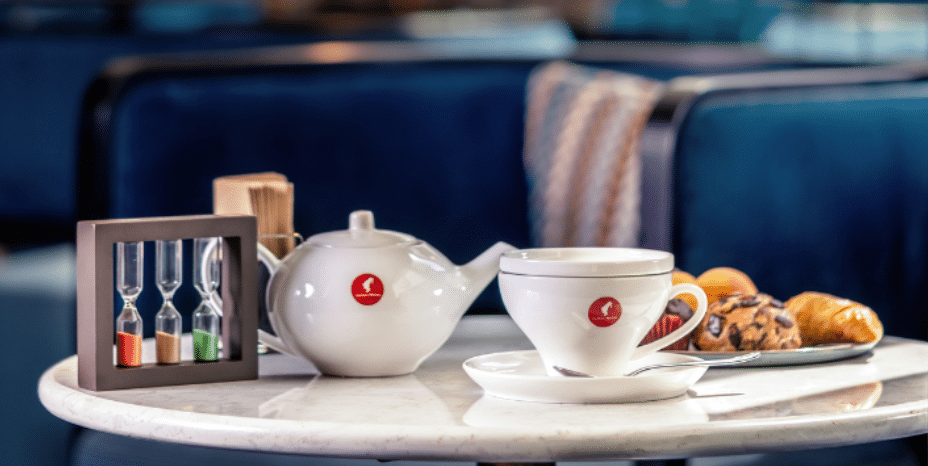
Haute cuisine restaurants. In fine restaurants, where every detail is thought out, tea becomes the final chord of the gastronomic performance. After a gastronomic dinner, the guest is waiting for a special finale – and a cup of premium tea is just in time. For example, a guest, after enjoying a citrus dessert, chooses a cup of Earl Grey-bergamot in this tea perfectly emphasizes the taste of the delicacy. Alternatively, the guest is offered a rare oolong tea or white tea from the Julius Meinl leaf collectionto prolong the pleasure with a delicate aftertaste. Restaurateurs note that this approach increases the guest’s satisfaction: he leaves not only full, but also satisfied with the attention to detail. In addition, premium tea encourages guests to stay longer (and increase their order) – for example, order a second teapot and share their impressions of the evening. The company provides such restaurants with everything they need for a full-fledged tea ritual-branded teapots, dishes and brewing recommendations-enhancing the effect of premium service.
Hotels and business centers. In the hospitality industry, tea is one of the indicators of customer care. In premium hotels in Uzbekistan, you will increasingly find the Julius Meinl brand at the breakfast counters or in your rooms. In the morning, the international Julius Meinl range (from classic English Breakfast Breakfastto green jasmine) shows respect for the different tastes of the guests. Offering high-end varieties to guests, hotels emphasize their status and desire to give the best. At business events, bagged tea ensures that everyone will find a drink to their liking-whether it’s strong black for cheerfulness or herbal for calm. A well-known brand name and convenient format make tea breaks as comfortable and memorable as possible. By the way, even in spa centers and lounge areas, a cup of herbal tea after the procedure prolongs the feeling of relaxation, and in business lounges, the offer of branded tea is a sign of special attention to customers.
Thus, in almost any HoReCa format, premium tea enhances the guest’s impression. It is versatile: it is appropriate for a morning breakfast, a business meeting, and as the final chord of dinner. For the owner of the establishment, such tea is a reliable tool for increasing the loyalty of guests. Guests, once they have tasted Julius Meinl in a cafe or hotel, begin to associate this brand with quality and warmth – and come back for this taste again and again.
Julius Meinl tea lines: an assortment tailored to the restaurant’s needs
Ruler of tea in pyramids (per cup). This collection of customized pyramid tea bags combines high quality leaf tea with convenience. A bright presentation (transparent bags, a beautiful envelope) immediately attracts the attention of the guest. Ideal for a spectacular serving of tea for one cup – the guest enjoys not only the taste, but also the aesthetics.
A line of premium leaf tea. The collection of premium Julius Meinl leaf tea includes selected varieties of black, green, oolong and exclusive blends. It is designed for true connoisseurs and allows the restaurant to create a special tea ceremony. Offering the guest a choice of jars of aromatic leaf tea, the establishment emphasizes its high status and respect for the classic tea culture.
Ruler of tea bags on the teapot. This line of large tea bags is designed for a comfortable tea party with a company or a long conversation. Each teabag is designed to brew a teapot (about 400-500 ml) and contains high-quality organic tea. This guarantees a stable taste and convenience: one teapot – several cups of aromatic tea, which guests can share without unnecessary hassle.
A line of classic packaged tea. The classic packaged Julius Meinl series offers a wide selection of popular teas in convenient sachets. It is ideal for hotels (breakfasts, rooms) and mass events, where you need to quickly serve a lot of guests. Each bag is individually packaged, which preserves the flavor and allows everyone to easily choose their favorite flavor-whether it’s black, green, herbal or fruit tea.
All these lines complement each other and cover the needs of any HoReCa format – from a cozy cafe to a large conference.
Tea peyring: harmonious unions of tea and food
In the world of haute gastronomy, the word peyring is increasingly used – the art of combining dishes with drinks to enhance tastes. Tea peyring is a relatively new trend that is rapidly gaining popularity in premium restaurants. Julius Meinl inspires chefs to discover unexpected combinations, because tea is more versatile than wine: the variety of its varieties and aromas allows you to choose a pair for almost any dish.
The basic principles of combinations are simple: light dishes are supplemented with light tea, fat-strong with astringency, sweet desserts – aromatic infusion, spicy-refreshing mint or herbal collection. Green tea like sencha goes perfectly with fish and seafood, its fresh notes accentuate the delicacy of the dish. For meat and hearty pilaf, it is better to serve strong black tea, such as Assam, with sufficient tartness to balance the fat content. And for desserts, it is best to serve aromatic tea – for example, Earl Grey with citrus pastries, and rooibos or spicy herbal collection – with chocolate desserts. Properly selected tea really reveals the character of the dish, like a musical accompaniment to a movie.
For restaurants, tea peyring is also a way to increase sales: by recommending the perfect pair of teas for a dish, you encourage an additional order. Guests are pleasantly surprised by new combinations and remember them to come back for a repeat of the experience. Our tea inspires the culture of tea peering, offering restaurateurs ideas and advice – after all, with such a diverse line of teas, you can experiment endlessly. So tea is no longer just the final note of the meal – it turns into a full-fledged part of the gastronomic journey, leaving a bright emotional impression on the guest.
Premium tea for HoReCa: achievements and strengths of Julius Meinl
The company has more than 160 years of experience and traditions. This history gives restaurateurs a reliable partner, whose name is associated with consistently high quality. The brand has always set the bar high: from the strict selection of tea leaves to the skill of blending artists-each batch of tea turns out to be perfect in taste.
The company offers comprehensive support to HoReCa partners: it trains staff in the subtleties of tea drinking, provides branded dishes, menus, and promotional materials. Thanks to this, even a small cafe can provide premium tea service at the level of world standards. The creative spirit of the company (remember the “Pay in Verse” campaign) is also transmitted to partners: the brand brings a touch of Viennese cultural atmosphere to the institution. All this together makes premium tea a significant competitive advantage: it emphasizes the status of the restaurant, guarantees an impeccable quality of service and gives guests special emotions that they come back for again and again.
Tea market in Uzbekistan: traditions, trends and prospects for restaurants
Today, tea for restaurants in Uzbekistan is not only a tribute to a rich tradition, but also a new space for business development. In Uzbekistan, tea has always been more than a drink: a symbol of hospitality and a mandatory attribute of any meeting. Traditionally, Uzbek culture is dominated by green tea (kok-choy), as a drink of purification, lightness and balance. However, modern visitors increasingly want more choice and new taste experiences. Previously, the standard was one or two types of tea, but now progressive establishments offer extensive tea lists comparable to coffee or wine ones. The menu includes premium teas of different categories: classic black, elite green, herbal and fruit blends for different audiences. For the restaurant business in Uzbekistan, this opens up new prospects: by expanding the tea offer, you can attract a demanding audience and stand out favorably among competitors.
The growth of tourism also plays a role: foreign guests expect premium tea of international level. In this regard, the presence of the Julius Meinl brand is a guarantee: a tourist who sees a familiar name will feel at home, and a local guest will appreciate a new high-quality taste. Research shows that the tea market in Uzbekistan is now growing steadily. In recent years, there has been a steady increase in tea consumption – both in retail and in the HoReCa segment. More and more coffee shops introduce original teas, restaurants hold tea ceremonies, hotels offer exclusive tea mixes in the rooms. And this positive trend will continue: as the well-being and culture of out-of-home food grows, the demand for high-quality tea (including premium tea) will only increase. So investing in a tea menu right now is a far-sighted step for a restaurateur.
Combining the rich Uzbek tea-drinking traditions with the company’s quality and innovation, restaurants get a formula for success for years to come. Premium imported tea ceases to be a rarity and becomes a mandatory attribute of a successful establishment – the very element that enhances the national flavor, increases the loyalty of guests and brings inspiration to every day of restaurant work.